For decades, blue-collar workers in machinery-heavy industries — from mechanics and welders to factory operators and construction crews — have powered the backbone of the economy. These jobs demand grit, long hours, and physical strength. But today, many workers are discovering that putting in overtime with heavy machinery doesn’t always pay the bills the way it used to. Rising costs, stagnant wages, and job insecurity are leading some to explore unexpected new opportunities online, with OnlyFans quickly becoming a side hustle of choice.
Why Machinery Workers Are Seeking Change
1. Physical Demands
Operating heavy machinery, repairing engines, or working on the line takes a toll on the body. Injuries, fatigue, and burnout are common — making the idea of a flexible online hustle more attractive.
2. Unpredictable Pay
While some machinery jobs pay well, others are tied to fluctuating industries like construction or manufacturing. A slow season can mean fewer hours and smaller paychecks.
3. Limited Creative Expression
Blue-collar work is often about precision, repetition, and following strict guidelines. Side hustles like OnlyFans let workers express another side of themselves — whether that’s through fitness content, lifestyle insights, or even humor.
Why OnlyFans Appeals to Blue-Collar Workers
Direct-to-Audience Earnings – Unlike hourly wages, income on OnlyFans comes directly from fans and subscribers.
Control and Flexibility – Workers decide when and how to create, without punching a clock.
Brand Identity – Machinery workers bring a rugged, authentic vibe that resonates with audiences looking for “real people,” not polished celebrities.
Diversification – Having a side income helps reduce dependence on seasonal or unstable job markets.
Machinery Meets Modern Hustle
It might seem like a leap from running forklifts or repairing engines to creating online content — but both require discipline, consistency, and a willingness to learn. Just as machinery needs maintenance and precision, a digital side hustle thrives on steady effort and strategy.
Some creators even merge the two worlds: sharing behind-the-scenes content of their blue-collar lifestyle, showing off their grit, or using their hands-on work to build an authentic online persona that stands out in a crowded space.
Where to Start
For those curious about what this shift looks like in real life, communities like IdahoFansClub.com highlight how creators from all walks of life — including blue-collar workers — are carving out their space online. Platforms like this show that success doesn’t always require glamor; it’s about authenticity and connection.
Conclusion
The workforce is evolving, and so are side hustles. For many machinery workers, OnlyFans offers something traditional jobs often can’t: freedom, creativity, and control over income. Moving from machines to screens might feel like a big leap, but it’s one more example of how workers are adapting to a changing economy — and building futures on their own terms.
Back pain affects millions and can significantly impact daily life. Traditional treatments may offer some relief but often have limitations. This article explores the causes and symptoms of back pain, current treatment options, and introduces an alternative: 5000mg CBD cream. Learn how this potent solution works, its benefits, key usage tips, and potential side effects. If you’re looking for an effective way to manage back pain, this guide is for you.
Understanding Back Pain
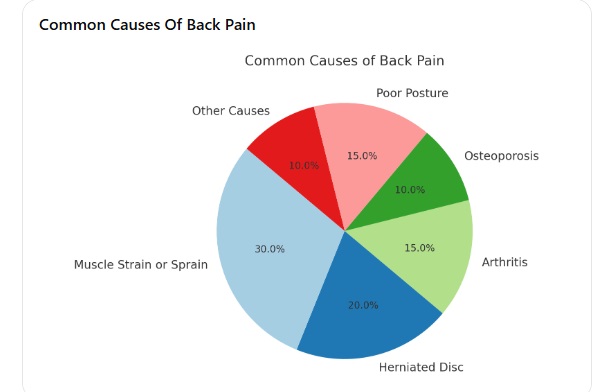
Back pain is a common problem that affects millions globally, often due to factors like poor posture, overexertion, or health conditions such as arthritis.
It can appear as muscle soreness, inflammation, and joint discomfort, greatly affecting one’s quality of life and daily activities.
Identifying the causes of back pain is important for effective management and creating a personalized wellness plan that might include therapy and natural remedies.
Causes and Symptoms
Back pain can have various causes, including muscle tension, joint pain, or chronic inflammation from conditions like arthritis.
Often, poor posture over long periods leads to muscle strains and imbalances. For example, a young office worker reported sharp lower back pain after spending long hours hunched over a computer during a busy week. This pain was worsened by inflammation from underlying conditions she wasn’t aware of.
Similarly, an athlete with an intense training schedule might experience back tension due to repetitive movements or inadequate recovery time, showing how lifestyle choices can significantly affect back health.
By identifying these specific symptoms and their causes, individuals can take proactive measures to reduce discomfort and improve their overall well-being.
Current Treatment Options
For treating back pain, you have various options, including over-the-counter medications, physical therapy, and topical treatments that offer pain relief.
Effectiveness and Limitations
While various treatments can offer pain relief, it’s important to understand their effectiveness and potential drawbacks, especially with topical treatments like CBD cream.
Some alternatives use pharmaceutical compounds, which can cause side effects such as skin irritation or allergic reactions, raising concerns about long-term use.
In contrast, CBD cream, made from natural hemp extracts, aims to relieve discomfort and is generally considered safe. Users often report significant pain relief without the common side effects of synthetic options.
Therefore, natural remedies like CBD cream may be a valuable alternative for managing pain.
Introducing CBD Cream
CBD cream is a topical treatment made from cannabidiol. It is a natural option for pain relief and reducing inflammation, which has boosted its popularity among wellness products.
What is CBD Cream?
CBD cream is a non-psychoactive topical product that uses cannabidiol for pain relief.
Unlike some herbal remedies with mixed results, CBD cream targets specific areas to deliver its benefits effectively. It usually combines cannabidiol with essential oils and natural extracts, enhancing its soothing effects. Users often apply it to sore muscles, inflamed joints, or skin irritations, making it a practical option for various issues.
Focusing on localized relief without the mind-altering effects of cannabis, it offers a natural alternative for those who want to include wellness methods in their routine.
How CBD Cream Works for Back Pain
To understand how CBD cream helps with back pain, it’s important to look at how it interacts with pain receptors and reduces inflammation, leading to muscle relaxation and relief.
Mechanism of Action
CBD cream works by using its pain-relieving properties through direct application to the skin.
When absorbed, CBD interacts with the body’s endocannabinoid system, especially the CB1 and CB2 receptors in the peripheral nervous system. This can reduce inflammation and lessen the sensation of pain in the applied area, making it a potential option for those with chronic pain or skin conditions.
CBD’s ability to reduce inflammation not only eases discomfort but also supports quicker healing by balancing the body’s inflammatory response. Users may find significant relief without the mind-altering effects linked to THC, improving their overall well-being.
Benefits of Using a 5000mg CBD Cream
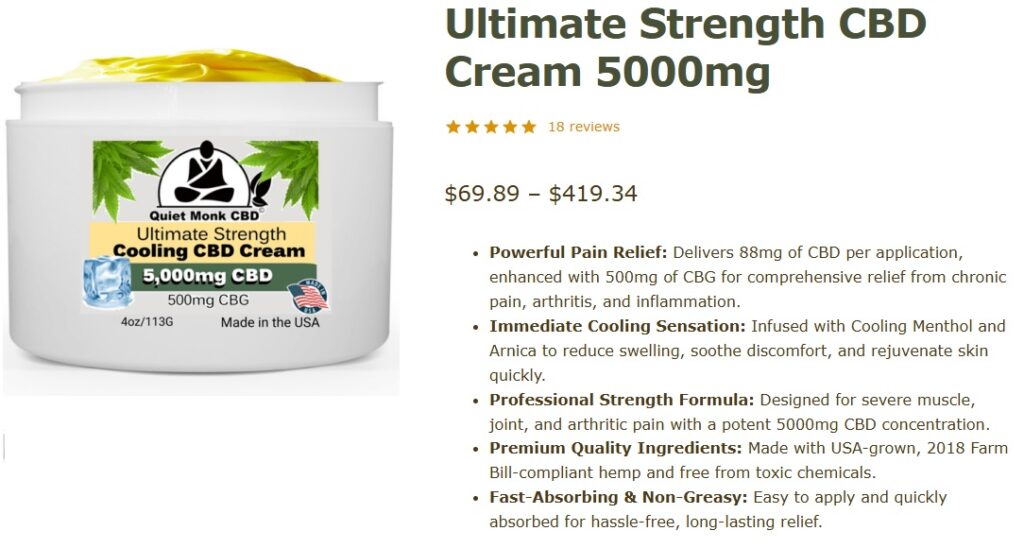
A 5000mg CBD cream from this store provides strong potency and relief for multiple symptoms, making it effective for those wanting targeted pain management and therapeutic benefits.
Higher Potency for Better Relief
A 5000mg CBD cream offers stronger pain relief, allowing users to achieve desired results with potentially lower doses of CBD.
This concentrated formula is especially helpful for those with chronic pain or specific ailments as it often provides faster and more noticeable relief compared to lower potency creams.
Many users report significant improvements in comfort levels after switching to higher strength CBD cream, finding that they need less product for lasting effects.
Customer testimonials frequently express satisfaction, with one user noting that a 5000mg cream allowed them to engage in daily activities without the previous discomfort.
This effectiveness can enhance overall well-being, making higher potency creams a popular choice for those seeking effective pain management solutions.
How to Use a 5000mg CBD Cream for Back Pain
To use a 5000mg CBD cream for back pain effectively, you should know the right application methods and recommended dosage for the best pain relief.
Application Techniques and Dosage
Application techniques for CBD cream usually involve massaging it into the area where you feel pain, ensuring you follow the recommended dosage for the best results.
Using a circular motion can improve absorption while also soothing the affected area. It’s important to stick to the dosage instructions to get the most benefits without affecting the skin negatively.
Avoid overusing the cream, as it may become less effective. Start with a lower concentration and adjust as needed. Maintaining clean and dry skin helps the cream work better because it allows for better absorption of the active ingredients.
Testing a small area of skin before applying widely can help prevent irritation and ensure a more pleasant and effective experience.
Potential Side Effects and Precautions
While CBD cream is usually well-tolerated, it’s important to be aware of potential side effects and take necessary precautions based on individual experiences and research.
What to Watch Out For
When using CBD cream, be aware of possible side effects like skin irritation or allergic reactions, especially if you have sensitive skin.
These reactions can appear as redness, itching, or a rash, particularly in people with existing skin conditions or allergies to hemp products. To reduce these risks, perform a patch test on a small area of skin before applying it more broadly.
It’s important to consider the cream’s strength and how it might interact with your body for effective pain relief. Be informed about the CBD source and ingredients, as quality affects safety and effectiveness.
If unsure about using CBD products, consult a healthcare professional, and apply consistently for the best results.
Frequently Asked Questions
What is CBD Cream and how does it work for back pain relief?
CBD Cream is a topical product infused with cannabidiol (CBD), a compound derived from the cannabis plant. When applied to the skin, it interacts with the body’s endocannabinoid system to provide pain relief and reduce inflammation in the affected area.
What makes a 5000mg CBD Cream the ultimate solution for back pain relief?
A 5000mg CBD Cream contains a high concentration of CBD, which means it has a stronger and faster effect on pain relief compared to lower doses. This makes it an ideal solution for severe and chronic back pain.
Will a 5000mg CBD Cream make me feel high?
No, CBD is a non-psychoactive compound, which means it does not produce a high like THC does. You can use a 5000mg CBD Cream without experiencing any psychoactive effects.
Is a 5000mg CBD Cream safe to use for back pain relief?
Yes, as long as you use it as directed and consult with your doctor beforehand if you have any underlying health conditions. CBD is generally safe and well-tolerated by most individuals, with minimal side effects.
How often should I use a 5000mg CBD Cream for back pain relief?
It is recommended to use a 5000mg CBD Cream 2-3 times a day, or as needed for pain relief. However, please follow the instructions on the product label or consult with your doctor for personalized usage recommendations.
Are there any other benefits of using a 5000mg CBD Cream for back pain relief?
Aside from providing pain relief and reducing inflammation, a 5000mg CBD Cream also has antioxidant properties that can help improve skin health and promote overall relaxation.
The process of manufacturing CBD creams involves combining cannabidiol (CBD) with other ingredients to create a product that delivers targeted benefits. Each step in the process ensures consistency, quality, and efficacy. Here’s a step-by-step guide to how they make CBD cream:
1. Sourcing CBD
The first step in manufacturing CBD creams is obtaining high-quality CBD, which can come in several forms:
Full-Spectrum CBD: Contains all cannabinoids, terpenes, and other plant compounds, including trace amounts of THC.
Broad-Spectrum CBD: Similar to full-spectrum but with THC removed.
CBD Isolate: Pure CBD with no other cannabinoids or plant compounds.
CBD is typically extracted from hemp plants using methods like CO₂ extraction, ethanol extraction, or hydrocarbon extraction. CO₂ extraction is preferred for its ability to produce a clean and high-purity CBD extract.
2. Testing CBD Extract
Before incorporating CBD into creams, manufacturers test the extract to ensure:
Accurate potency.
Compliance with THC limits (usually below 0.3%).
Absence of contaminants like pesticides, heavy metals, and residual solvents.
Lab testing ensures the final product is safe and meets regulatory standards.
3. Formulating the Base Cream
CBD creams require a base formulation that determines the texture, absorption rate, and efficacy. The base cream typically includes:
Emollients: Such as shea butter or coconut oil, for skin hydration and softening.
Humectants: Like glycerin or aloe vera, to draw moisture into the skin.
Thickening Agents: Such as beeswax or xanthan gum, to create a creamy consistency.
For therapeutic purposes, additional active ingredients may be added, such as menthol for cooling or essential oils for aromatherapy.
4. Infusing CBD into the Cream
Once the base cream is prepared, CBD extract is added:
Heating and Mixing: The CBD extract is blended into the base cream at a controlled temperature to ensure even distribution.
Emulsification: To combine oil- and water-based ingredients, emulsifiers like lecithin or polysorbate are added.
This process ensures that the CBD is evenly dispersed throughout the cream for consistent dosing.
5. Adding Optional Ingredients
To enhance the cream’s benefits, manufacturers often include other functional ingredients:
Herbal Extracts: Like arnica or chamomile, for soothing inflammation.
Vitamins: Such as Vitamin E, for skin health and repair.
Essential Oils: Like lavender or eucalyptus, for fragrance and additional therapeutic properties.
6. Quality Control and Testing
The final cream undergoes rigorous testing to ensure:
Potency: The product contains the stated amount of CBD.
Stability: The cream remains effective and consistent over time.
Microbial Safety: The cream is free from bacteria, mold, and other contaminants.
Testing is performed in a certified lab, and results are often published on Certificates of Analysis (COAs) for transparency.
7. Packaging the CBD Cream
CBD creams are packaged in containers that protect the product and make it easy to use:
Jars: Ideal for thicker creams and balms.
Tubes: Convenient for creams with a lighter consistency.
Airless Pumps: Protect against contamination and extend shelf life.
Labels include essential information such as:
CBD concentration.
Ingredient list.
Directions for use.
Batch number and COA link.
8. Distribution and Sale
Once packaged, CBD creams are distributed to retailers, wholesalers, or sold directly to consumers through online stores. Manufacturers ensure that all products comply with federal and state regulations, including accurate labeling and THC limits.
Conclusion
Manufacturing CBD creams involves a precise combination of sourcing, testing, and blending high-quality ingredients. The process ensures the product is safe, effective, and consistent, meeting consumer expectations for therapeutic benefits and skincare solutions.
Hammer mills and grinders are critical pieces of equipment in the hemp and cannabis industry. These machines are designed to crush dried hemp into a fine powder, preparing it for efficient extraction of cannabinoids like CBD and CBG. By creating a consistent particle size, hammer mills and grinders enhance the extraction process, improve product quality, and minimize waste.
What Are Hammer Mills and Grinders?
Hammer mills and grinders are industrial machines used for size reduction. They work by applying mechanical force to break down materials into smaller, uniform particles. In hemp processing, these machines crush dried plant material, including flowers, leaves, and stems, into a fine powder suitable for extraction methods like CO₂ or ethanol extraction.
How Hammer Mills and Grinders Work
The operation of hammer mills and grinders involves a straightforward but effective process:
Feeding the Material Dried hemp is fed into the machine through a hopper or chute.
Grinding or Crushing Inside the machine, hammers or blades rotate at high speeds, striking the material repeatedly. This mechanical force breaks the hemp into smaller particles.
Sizing the Output The crushed material passes through a screen with holes of a specific size, ensuring uniform particle size.
Collection The ground hemp is collected in a bin or bag for further processing.
This process ensures consistent particle size, which is crucial for efficient extraction.
Types of Hammer Mills and Grinders
There are several types of hammer mills and grinders, each suited to different processing needs:
Hammer Mills These machines use rotating hammers to crush materials. They are highly effective for processing large quantities of hemp quickly.
Roller Grinders These grinders use cylindrical rollers to crush hemp. They produce a finer and more uniform particle size.
Disc Grinders Disc grinders use rotating discs to grind material. They are suitable for smaller operations and precise particle size control.
Pin Mills These machines use high-speed rotors with pins to pulverize hemp. They are ideal for creating ultra-fine powders.
Benefits of Using Hammer Mills and Grinders for Hemp
Hammer mills and grinders offer several advantages for hemp processing:
Efficient Size Reduction These machines quickly reduce dried hemp into a fine, uniform powder, making the extraction process more efficient.
Improved Extraction Yield Consistent particle size allows solvents or CO₂ to penetrate the material evenly, increasing the extraction yield.
Reduced Waste Proper grinding minimizes the loss of cannabinoids by ensuring every part of the plant is processed.
Versatility Hammer mills and grinders can handle various parts of the hemp plant, including flowers, leaves, and stems.
Cost-Effective By optimizing the extraction process, these machines reduce production costs in the long run.
Key Features to Look for in Hammer Mills and Grinders
When choosing a hammer mill or grinder for hemp processing, consider the following features:
Adjustable Screens Screens with different hole sizes allow for customizable particle sizes.
Durable Construction Machines made from high-quality materials can handle the tough fibers of hemp and ensure long-lasting performance.
High Throughput For industrial operations, look for machines that can process large quantities of hemp efficiently.
Ease of Maintenance Choose machines that are easy to clean and maintain to reduce downtime.
Safety Features Ensure the machine includes safety mechanisms to protect operators during use.
Applications of Hammer Mills and Grinders in Hemp Processing
Hammer mills and grinders are used at various stages of hemp processing:
Pre-Extraction Preparation Ground hemp is easier to process in extraction systems, leading to better cannabinoid yield.
Hemp Fiber Processing These machines can also break down stalks and fibers for other uses, such as textiles or bioplastics.
Waste Management By grinding leftover plant material, these machines help manage waste efficiently.
Testing and R&D Smaller grinders are used in labs for testing and product development.
Best Practices for Using Hammer Mills and Grinders
To maximize the efficiency and longevity of hammer mills and grinders, follow these best practices:
Dry the Hemp Properly Ensure the hemp is adequately dried before grinding to prevent clogging and damage to the machine.
Use the Correct Screen Size Select a screen size that matches the desired particle size for your extraction method.
Perform Regular Maintenance Clean the machine regularly and inspect for wear and tear to maintain consistent performance.
Monitor for Overheating Avoid overheating during grinding, as this can degrade cannabinoids and affect product quality.
Ensure Operator Training Train operators on proper usage and safety procedures to prevent accidents and ensure efficient operation.
Challenges of Using Hammer Mills and Grinders
While hammer mills and grinders are effective, they come with challenges:
Fiber Build-Up Hemp’s tough fibers can cause build-up, requiring frequent cleaning.
Noise Levels These machines can be noisy, necessitating proper soundproofing or hearing protection.
Power Consumption Industrial grinders consume significant energy, increasing operational costs.
Initial Investment High-quality machines can be expensive, making them a significant investment for new businesses.
Advancements in Grinding Technology
Innovations are improving the performance and efficiency of hammer mills and grinders:
Energy-Efficient Motors Newer models feature motors that use less power while maintaining high performance.
Automation Automated controls allow for consistent grinding with minimal manual intervention.
Improved Blades and Hammers Advanced materials and designs enhance durability and grinding precision.
Modular Designs Modular machines are easier to scale up as processing needs grow.
Conclusion
Hammer mills and grinders are indispensable tools in hemp processing. They prepare dried hemp for efficient cannabinoid extraction, improving product quality and maximizing yield. By investing in high-quality machines and following best practices, manufacturers can streamline their production processes and meet the growing demand for CBD and hemp-based products. As technology advances, hammer mills and grinders will continue to play a vital role in the cannabis industry.
High-Performance Liquid Chromatography (HPLC) is a powerful tool for separating and isolating cannabinoids like CBD from hemp and cannabis extracts. Known for its precision, HPLC is widely used in cannabinoid testing, purification, and research. This method allows manufacturers to ensure the quality and consistency of their products while meeting regulatory standards.
What is HPLC?
HPLC is a laboratory technique used to separate, identify, and quantify compounds in a mixture. It works by passing a liquid sample through a column filled with a stationary phase under high pressure. The different components in the sample interact with the stationary phase and are separated based on their chemical properties.
In the cannabinoid industry, HPLC is used to isolate CBD and other cannabinoids with high accuracy. This process is essential for creating pure products, analyzing potency, and removing unwanted compounds like THC.
How HPLC Works
HPLC relies on three key components:
Mobile Phase The mobile phase is a liquid solvent that carries the sample through the system. In cannabinoid applications, common solvents include water, methanol, or acetonitrile.
Stationary Phase The stationary phase is a material inside the column that interacts with the sample. For cannabinoids, silica-based materials are commonly used.
Detector A detector measures the separated compounds as they exit the column. UV-Vis detectors and mass spectrometers are popular choices for cannabinoid analysis.
The sample is injected into the system, and as it moves through the column, each compound separates based on its interaction with the stationary phase. The detector then identifies and quantifies each component.
Applications of HPLC in Cannabinoid Processing
HPLC has several applications in the cannabinoid industry:
Potency Testing HPLC determines the concentration of cannabinoids in hemp and cannabis products. This ensures accurate labeling and compliance with legal limits.
Purification HPLC isolates specific cannabinoids, such as CBD or CBG, for use in pure or broad-spectrum products.
THC Removal HPLC separates THC from extracts to create compliant, THC-free products.
Terpene Analysis The technique can also analyze terpenes, which contribute to the flavor and aroma of cannabis products.
Research and Development HPLC supports the development of new products by analyzing the cannabinoid profile of different strains or formulations.
Benefits of HPLC in Cannabinoid Processing
HPLC offers several advantages for cannabinoid analysis and isolation:
Precision HPLC separates cannabinoids with high accuracy, ensuring reliable results.
Non-Destructive Testing The method does not degrade cannabinoids, preserving their chemical integrity.
Versatility HPLC works with a wide range of cannabinoids and other compounds, including terpenes and flavonoids.
Scalability HPLC can be used for small-scale research and large-scale production.
Types of HPLC Systems
HPLC systems vary based on their specific applications:
Analytical HPLC Designed for testing and quantifying cannabinoids in samples. Analytical HPLC is common in quality control and regulatory testing.
Preparative HPLC Used for isolating and purifying large quantities of cannabinoids. Preparative HPLC systems are ideal for creating high-purity CBD isolates.
Chiral HPLC Separates compounds with similar structures, such as enantiomers. This is useful for studying cannabinoid stereochemistry.
Steps in an HPLC Process
The HPLC process involves several steps to achieve separation and analysis:
Sample Preparation The extract is diluted or dissolved in a compatible solvent to prepare it for injection.
Injection The sample is injected into the mobile phase, which carries it through the system.
Separation As the sample passes through the stationary phase, cannabinoids separate based on their chemical properties.
Detection The detector identifies and measures each compound as it exits the column.
Analysis The data is analyzed to determine the concentration and identity of the cannabinoids.
Factors Affecting HPLC Performance
Several factors influence the efficiency and accuracy of HPLC:
Column Type The choice of column material affects how cannabinoids interact with the stationary phase.
Mobile Phase Composition Solvent choice and gradient settings impact separation quality.
Flow Rate The speed of the mobile phase affects how long compounds interact with the stationary phase.
Temperature Controlled temperatures improve separation and reduce variability.
Detector Sensitivity High-sensitivity detectors ensure accurate measurement of low-concentration cannabinoids.
Challenges of Using HPLC
While HPLC is highly effective, it does come with challenges:
Cost HPLC systems and maintenance are expensive, making them a significant investment.
Complexity The method requires trained operators to ensure accurate results.
Time-Consuming Sample preparation and analysis can be time-intensive, especially for large batches.
Solvent Use HPLC uses solvents that require proper handling and disposal to meet safety and environmental standards.
Future Trends in HPLC
HPLC technology continues to evolve, making it even more effective for cannabinoid applications:
Green Solvents Researchers are developing eco-friendly solvents to reduce environmental impact.
Automation New systems feature advanced automation to streamline the process and reduce human error.
Faster Analysis Innovations aim to shorten analysis times without sacrificing accuracy.
Enhanced Detectors Improved detectors provide higher sensitivity for detecting trace cannabinoids.
These advancements will enhance the role of HPLC in cannabinoid production and research.
Conclusion
High-Performance Liquid Chromatography is an indispensable tool for separating and isolating cannabinoids. Its precision and versatility make it essential for ensuring product quality, regulatory compliance, and innovation in the cannabinoid industry. As technology advances, HPLC will continue to play a pivotal role in producing high-quality CBD and cannabis products.
Crystallization systems are essential tools for creating pure CBD isolates. These systems separate and refine CBD into a crystalline form, free from other cannabinoids, terpenes, and plant compounds. CBD isolates are highly sought after for their purity and versatility, making crystallization a crucial step in the production process.
What Are CBD Isolates?
CBD isolates are a pure form of cannabidiol, containing up to 99% CBD with no THC, terpenes, or flavonoids. This purity makes them ideal for applications where precise dosing or a lack of other cannabinoids is important. Isolates are odorless, flavorless, and highly adaptable, making them a popular ingredient in products like edibles, topicals, and wellness supplements.
The Role of Crystallization Systems
Crystallization systems are designed to extract and purify CBD from crude hemp oil. The process isolates CBD in its solid, crystalline form by leveraging the principles of solubility and controlled cooling. These systems ensure the final product meets the highest standards of purity.
How Crystallization Systems Work
Crystallization involves several key steps:
Preparation of Crude Extract CBD-rich hemp extract is prepared through initial extraction methods like CO₂ or ethanol extraction. This crude oil contains a mix of cannabinoids, terpenes, and other plant compounds.
Solvent Mixing The crude oil is dissolved in a solvent like pentane or ethanol. The solvent helps separate CBD from other components during crystallization.
Cooling The solution is cooled gradually in the crystallization system. As the temperature drops, CBD molecules form a crystalline structure and separate from the solvent.
Filtration and Drying The CBD crystals are filtered out of the solution and dried to remove residual solvent. The result is a pure, white crystalline powder.
Quality Testing The final product undergoes rigorous testing to ensure its purity, potency, and absence of contaminants.
Components of Crystallization Systems
Crystallization systems include specialized equipment to ensure precision and efficiency:
Mixing Tanks: Dissolve crude oil into the solvent.
Chillers: Control the cooling process to promote uniform crystal formation.
Filtration Units: Separate crystals from the solvent.
Dryers: Remove residual solvents to produce a pure end product.
Control Panels: Monitor and adjust temperature, pressure, and mixing speeds for optimal results.
Each component works together to produce consistent and high-quality CBD isolates.
Advantages of Crystallization Systems
Crystallization systems offer several benefits in CBD isolate production:
High Purity The process removes impurities and other cannabinoids, resulting in CBD isolates with up to 99% purity.
Precise Control Operators can fine-tune the system to control crystal size and purity levels.
Scalability Systems are available in sizes suitable for small-scale operations and large industrial production.
Versatility Crystallization systems can process various cannabinoids, making them adaptable for other isolate products.
Cost Efficiency While the initial investment can be high, the long-term cost savings and high-quality output make these systems economically viable.
Applications of CBD Isolates
CBD isolates have a wide range of applications due to their purity and flexibility:
Edibles and Beverages Isolates are ideal for infusing food and drinks without altering taste or aroma.
Topicals The purity of CBD isolates makes them suitable for sensitive skin in creams and balms.
Capsules and Tablets Isolates allow for precise dosing in oral supplements.
Vape Products Isolates can be used to create flavorless and potent vape oils.
Research and Development CBD isolates are used in labs for developing new products and formulations.
Factors to Consider When Choosing a Crystallization System
Selecting the right crystallization system is crucial for efficient and high-quality production. Consider the following factors:
Capacity Determine your production needs. Choose a system that aligns with your batch size and throughput requirements.
Automation Automated systems reduce manual intervention, improve consistency, and save time.
Energy Efficiency Look for systems designed to minimize energy use during cooling and mixing.
Ease of Maintenance Choose systems that are easy to clean and maintain to prevent contamination.
Compliance Ensure the system meets safety and regulatory standards for cannabinoid processing.
Challenges in Crystallization
While crystallization systems are efficient, they come with challenges:
Initial Cost High-quality systems require significant investment, making them a substantial cost for new businesses.
Operator Expertise Proper training is necessary to operate and fine-tune these systems for optimal results.
Solvent Handling Solvents like ethanol and pentane require careful handling to ensure safety and compliance.
Time-Intensive Process The cooling and drying phases can be time-consuming, which may slow production.
Despite these challenges, crystallization remains the gold standard for producing pure CBD isolates.
Trends in Crystallization Technology
Advancements in technology are enhancing the efficiency and accessibility of crystallization systems:
Green Solvents Researchers are exploring eco-friendly alternatives to traditional solvents.
Improved Automation New systems feature advanced automation for consistent and error-free production.
Energy-Efficient Designs Innovations aim to reduce energy use during cooling and filtration.
Modular Systems Modular designs allow businesses to scale operations easily.
These trends are driving growth and innovation in the CBD industry, making crystallization systems even more effective.
Conclusion
Crystallization systems are vital for producing high-purity CBD isolates. These systems enable businesses to meet consumer demand for clean and potent CBD products. By investing in high-quality equipment and following best practices, manufacturers can produce isolates that set the standard for quality and consistency in the industry. As technology advances, crystallization will continue to play a central role in cannabinoid processing.
CO₂ extraction machines are essential tools in the production of CBD and other cannabinoids. These machines use supercritical CO₂ to extract cannabinoids from hemp and cannabis plants in a clean and efficient process. This method has gained popularity for its ability to produce high-quality extracts without harmful solvents.
What is CO₂ Extraction?
CO₂ extraction is a method that uses carbon dioxide to pull cannabinoids, terpenes, and other compounds from hemp. The process relies on supercritical CO₂, a state where CO₂ acts as both a gas and a liquid. This unique property makes it an ideal solvent for extracting plant compounds.
The method is popular because it avoids chemical solvents like ethanol or butane. The result is a pure, safe product suitable for various applications, including tinctures, topicals, and vape products.
How CO₂ Extraction Machines Work
CO₂ extraction machines operate in three main stages:
Pressurization: The machine compresses CO₂ to a supercritical state by applying high pressure and temperature.
Extraction: The supercritical CO₂ passes through the raw hemp material, dissolving cannabinoids, terpenes, and other compounds.
Separation: The mixture is transferred to a separator, where CO₂ reverts to its gaseous state, leaving behind the extracted compounds.
These steps ensure a clean and efficient process that preserves the integrity of the cannabinoids.
Key Components of CO₂ Extraction Machines
CO₂ extraction machines have several parts that work together to ensure a smooth operation:
Compressor: Pressurizes the CO₂ to reach a supercritical state.
Extractor Vessel: Holds the raw hemp material during the extraction process.
Separator: Removes the extracted compounds from the CO₂.
CO₂ Tank: Stores CO₂ for continuous operation.
Heat Exchanger: Regulates temperature to maintain the supercritical state of CO₂.
Each component plays a critical role in achieving consistent and high-quality extracts.
Advantages of CO₂ Extraction
CO₂ extraction offers several benefits compared to other methods:
Purity: The process produces solvent-free extracts, making it a safe choice for health-conscious consumers.
Efficiency: Supercritical CO₂ efficiently extracts cannabinoids and terpenes, minimizing waste.
Precision: Operators can adjust pressure and temperature to target specific compounds.
Safety: CO₂ is non-toxic and non-flammable, reducing risks during production.
Environmental Impact: CO₂ can be recycled within the system, making the process eco-friendly.
Types of CO₂ Extraction Machines
CO₂ extraction machines vary in size and complexity. The type of machine you need depends on your production goals.
Small-Scale Machines These machines are suitable for small businesses or research labs. They process small batches and are easy to operate, making them ideal for beginners.
Industrial-Scale Machines These machines handle large volumes of hemp. They are designed for high-output operations and feature advanced controls for precise extraction.
Automated Machines Automated models streamline the process with programmable settings. These machines reduce manual intervention and improve consistency.
Factors to Consider When Choosing a Machine
Selecting the right CO₂ extraction machine involves evaluating key factors:
Capacity: Determine the volume of hemp you plan to process. Larger operations require machines with higher throughput.
Pressure and Temperature Range: Look for machines that offer adjustable settings to extract specific compounds.
Ease of Use: Choose machines with intuitive controls and clear instructions.
Maintenance Requirements: Ensure the machine is easy to clean and maintain to avoid downtime.
Cost: Consider your budget and weigh the initial investment against potential production output.
Applications of CO₂ Extraction
CO₂ extraction is versatile and used to produce various cannabinoid products:
CBD Oils and Tinctures The clean extraction process creates premium oils free from residual solvents.
Topicals and Creams Extracted cannabinoids are used in lotions, balms, and salves for localized relief.
Edibles CO₂ extraction produces high-purity CBD and THC for gummies, chocolates, and beverages.
Vape Products The method retains terpenes, enhancing the flavor and aroma of vape oils.
Steps to Optimize the Extraction Process
Operators can optimize CO₂ extraction by following these best practices:
Use High-Quality Hemp Start with fresh, well-cured hemp to ensure a potent extract.
Set the Right Parameters Adjust pressure and temperature based on the target compounds. Lower temperatures preserve terpenes, while higher pressures extract cannabinoids efficiently.
Monitor the Process Regularly check the machine’s performance to ensure consistent results.
Clean the Machine Regularly Proper maintenance prevents contamination and extends the life of the equipment.
Why Businesses Choose CO₂ Extraction
Many CBD and cannabis businesses prefer CO₂ extraction because it produces premium products. The process meets the demand for clean, safe, and solvent-free extracts. It also aligns with industry trends favoring eco-friendly and health-conscious production methods.
Challenges of CO₂ Extraction
While CO₂ extraction has many advantages, it comes with challenges:
High Initial Cost CO₂ extraction machines are expensive, making them a significant investment for new businesses.
Complex Operation Operators need training to use the machines effectively.
Slow Throughput for Small Machines Smaller machines may struggle to meet high production demands.
Despite these challenges, the benefits often outweigh the drawbacks, especially for businesses focused on quality.
Future Trends in CO₂ Extraction
Advancements in technology are making CO₂ extraction more accessible and efficient. Trends include:
Automation New machines feature advanced automation, reducing labor costs and improving consistency.
Energy Efficiency Innovations aim to reduce energy consumption, lowering operational costs.
Customization Machines are evolving to allow greater control over extraction parameters for tailored products.
These developments ensure CO₂ extraction remains a leading method in the cannabinoid industry.
Conclusion
CO₂ extraction machines are a cornerstone of the cannabinoid extraction process. They offer a clean, efficient, and versatile method for producing high-quality products. Businesses investing in this technology can meet consumer demand for safe and effective cannabinoid products while benefiting from eco-friendly production practices. With ongoing advancements, CO₂ extraction will continue to shape the future of the CBD and cannabis industries.